
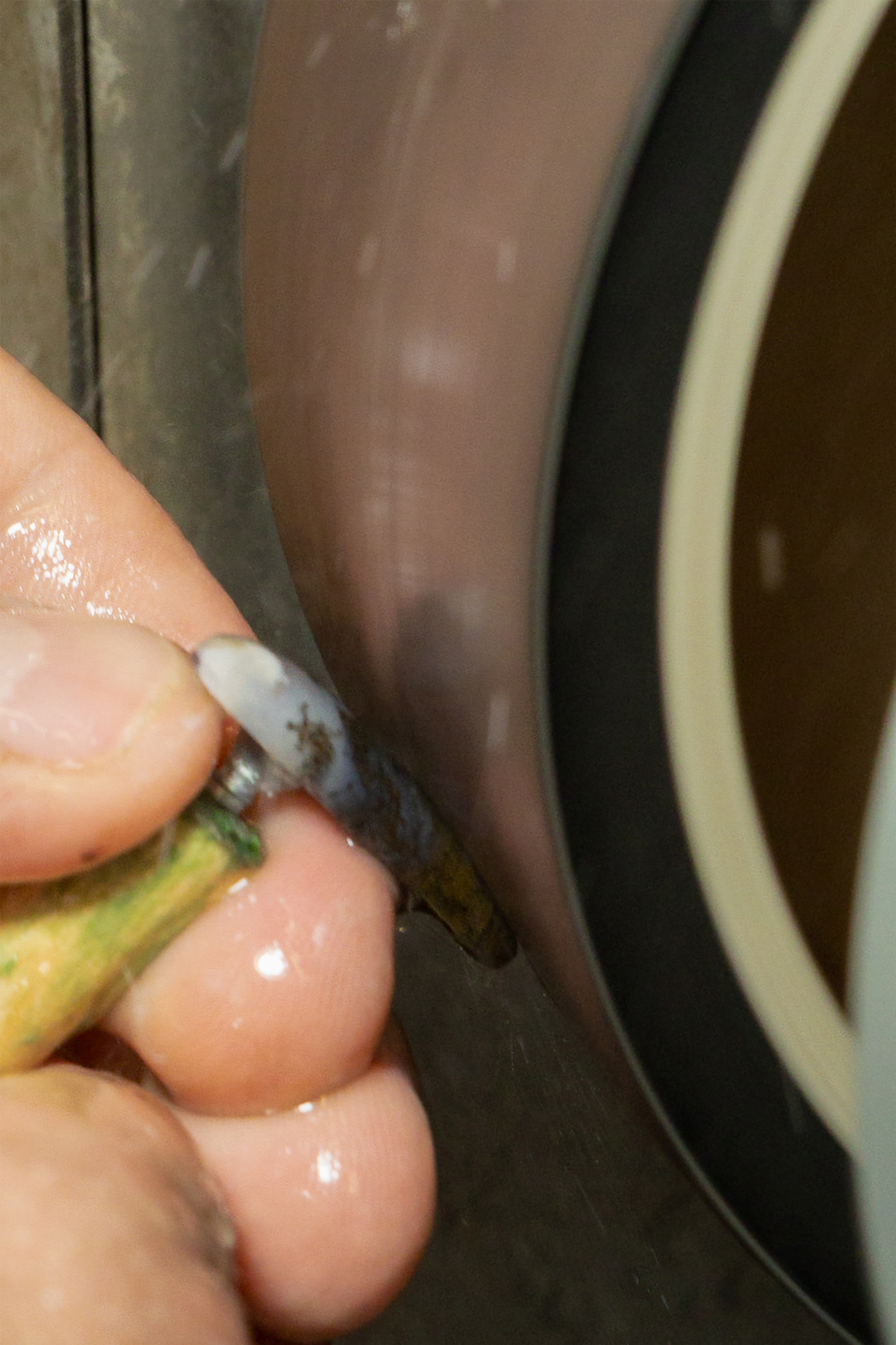
A volunteer-run workshop in Carlsborg, a beach near Sequim, and the members who teach each other how to turn a found stone into finished work.
By Tom Buscher
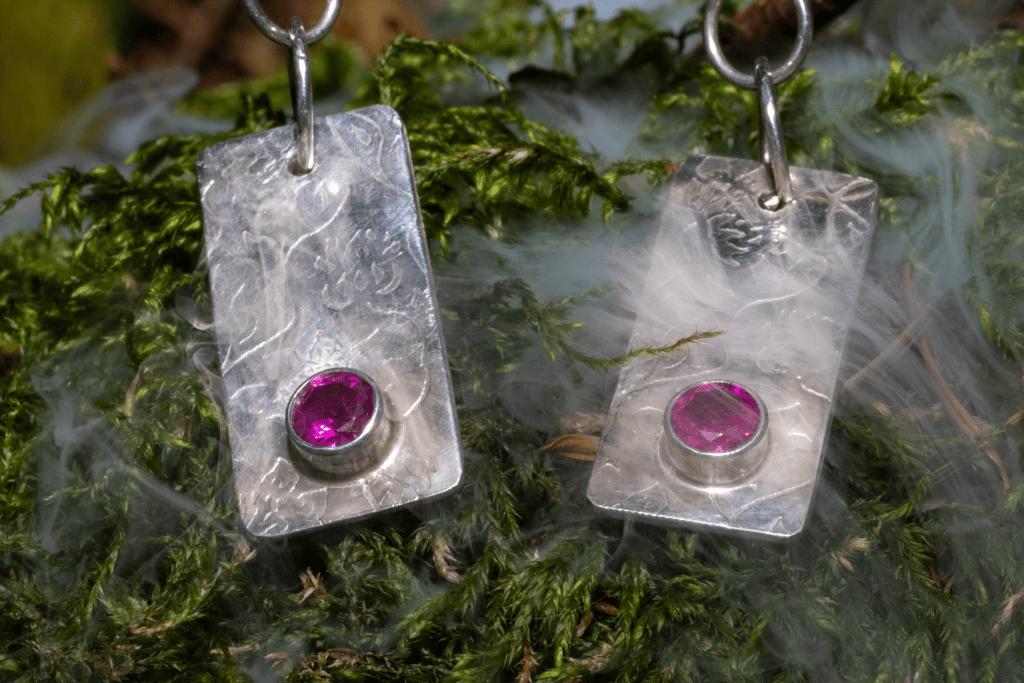
I went to the Clallam County Gem and Mineral Association’s workshop in Carlsborg on Aug. 20 to find out what happens after somebody carries a promising stone home.
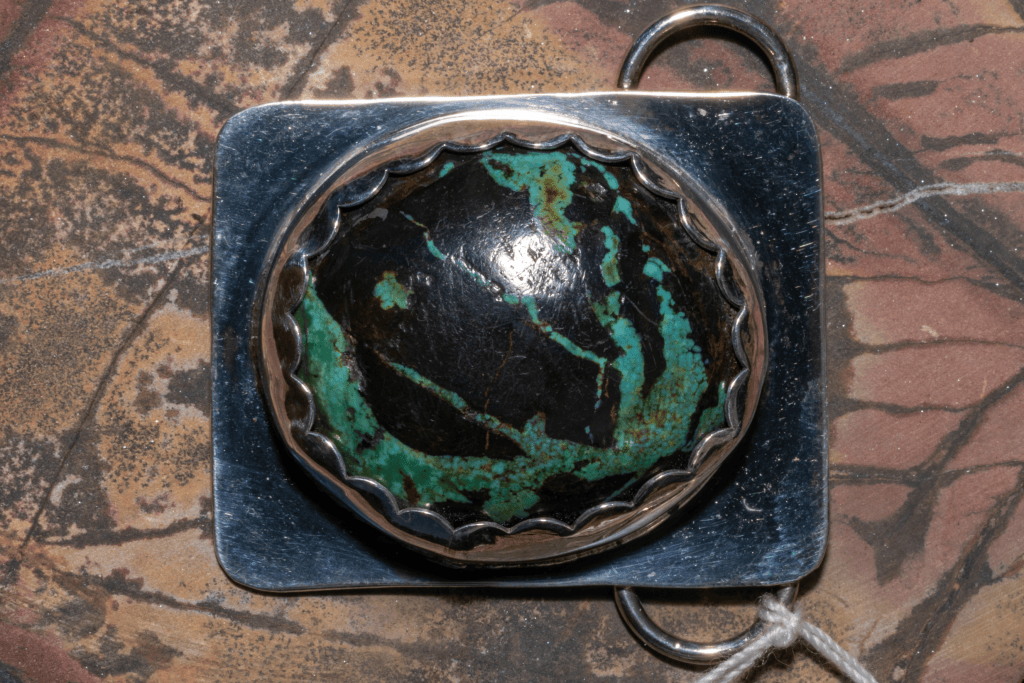
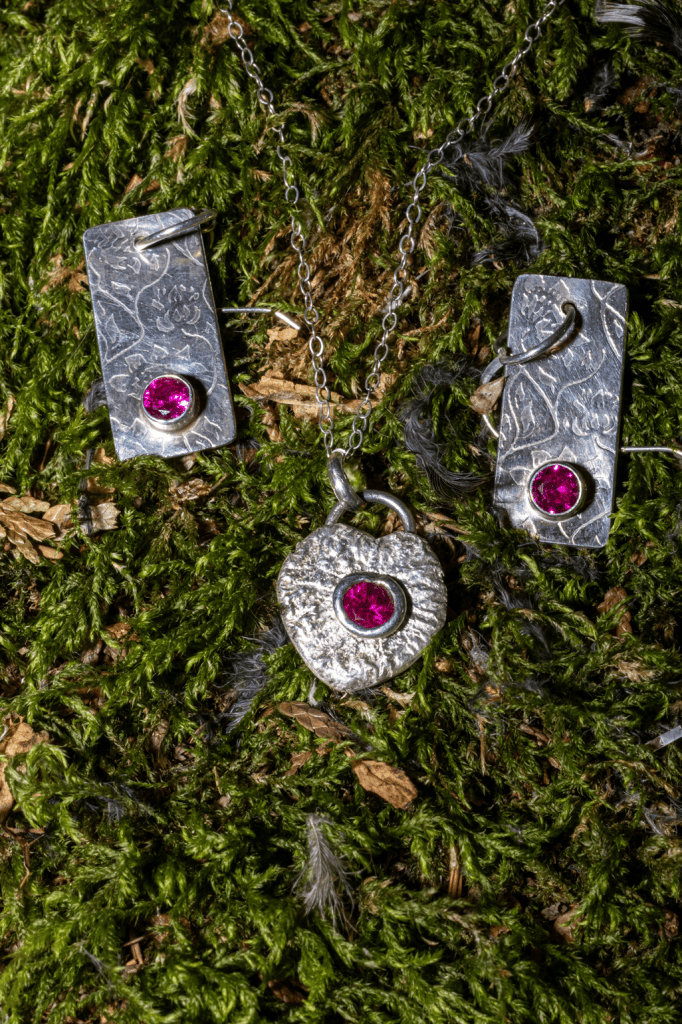
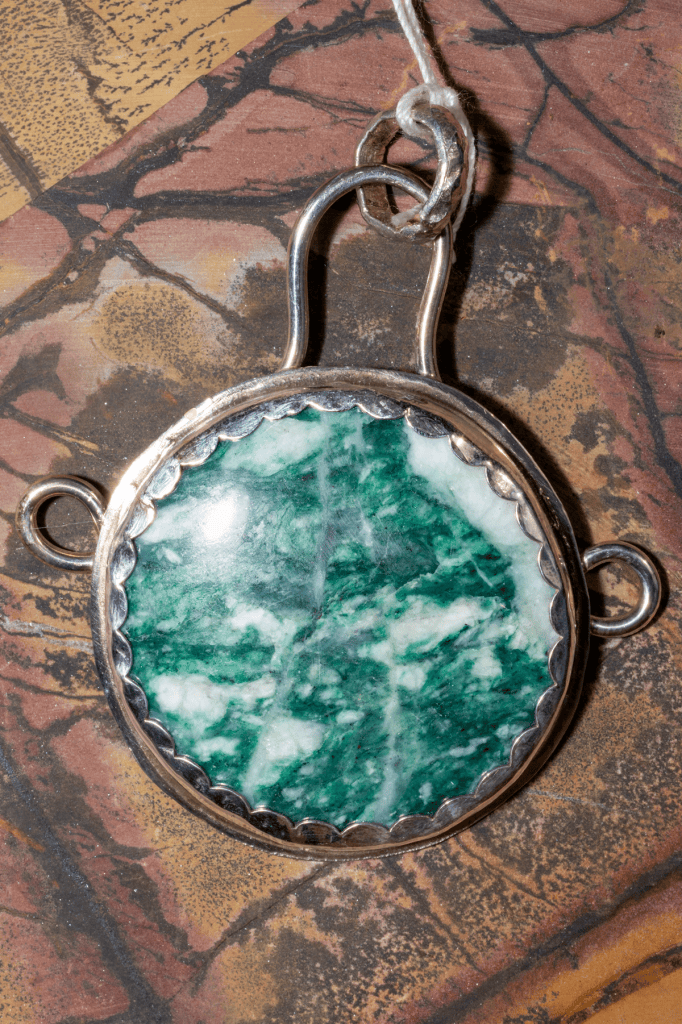
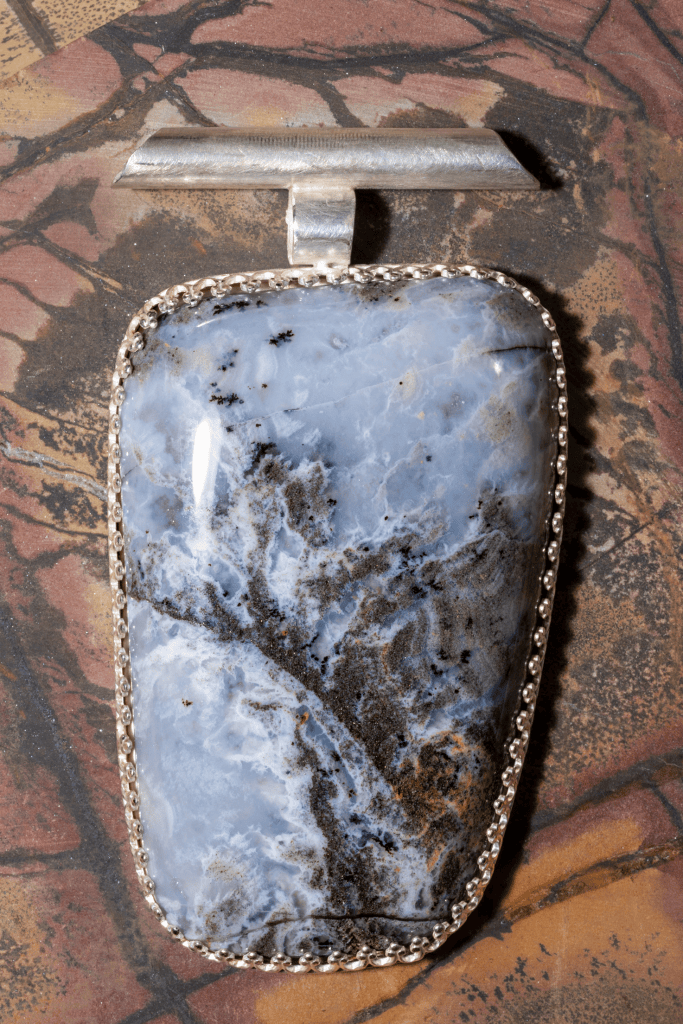
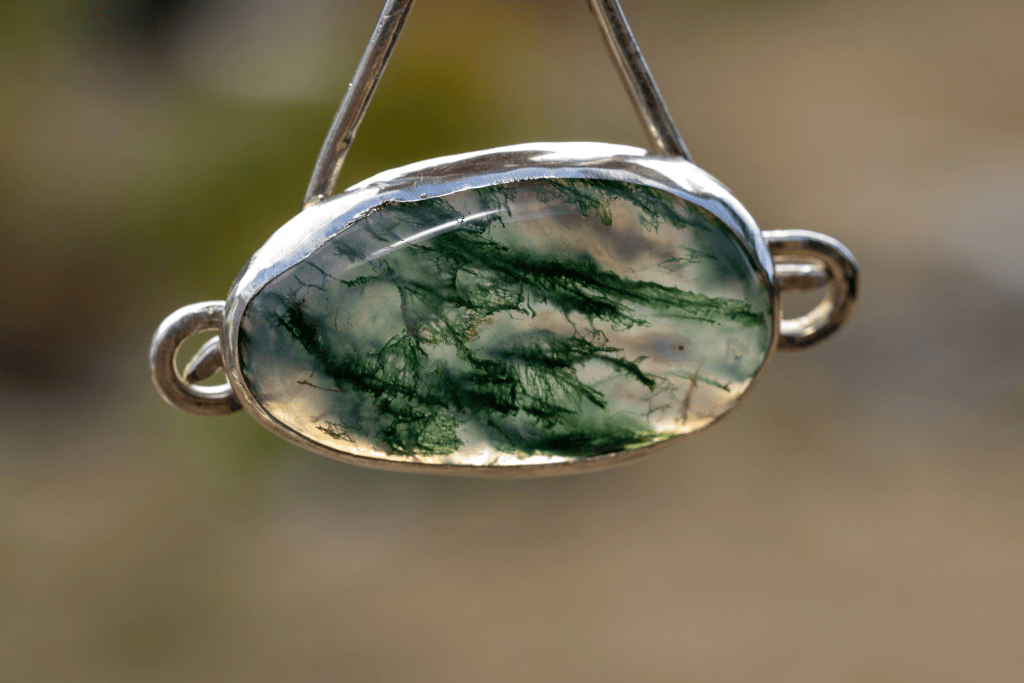
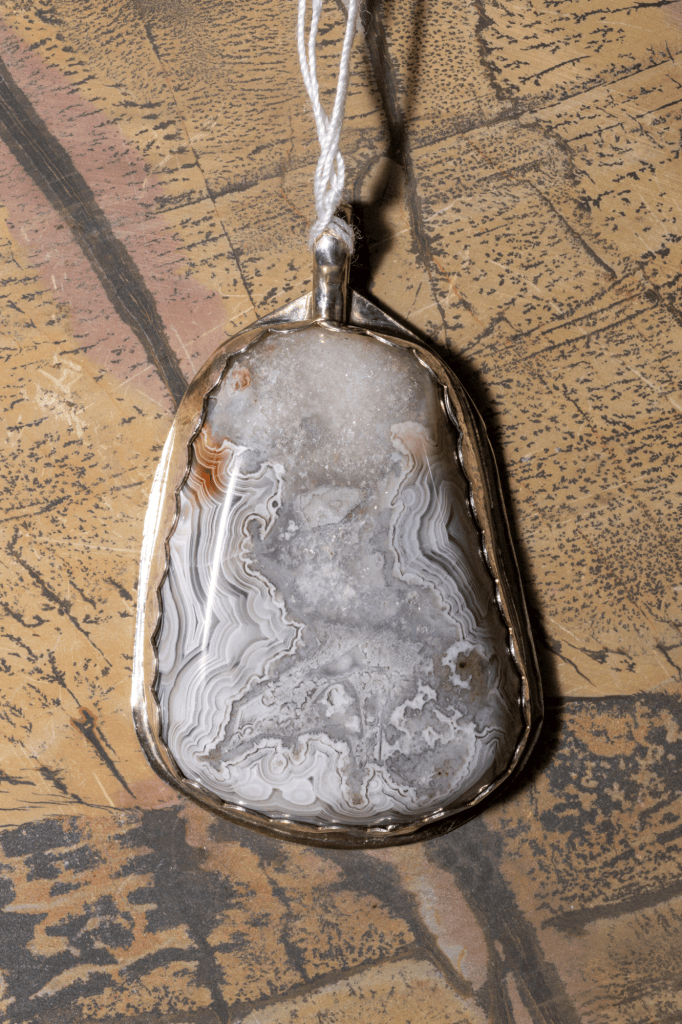
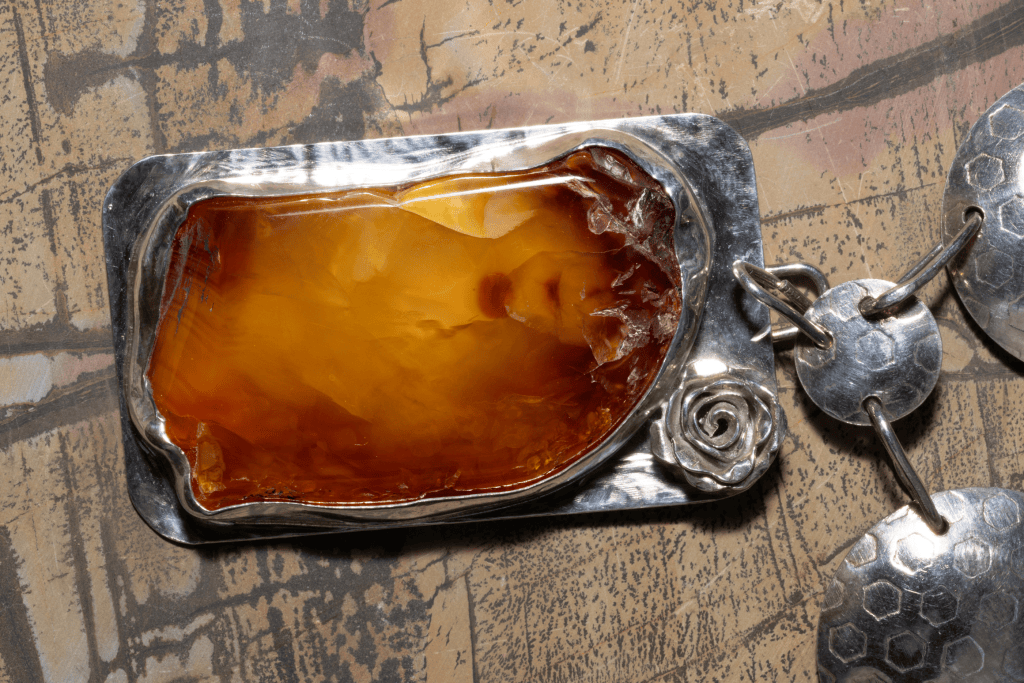
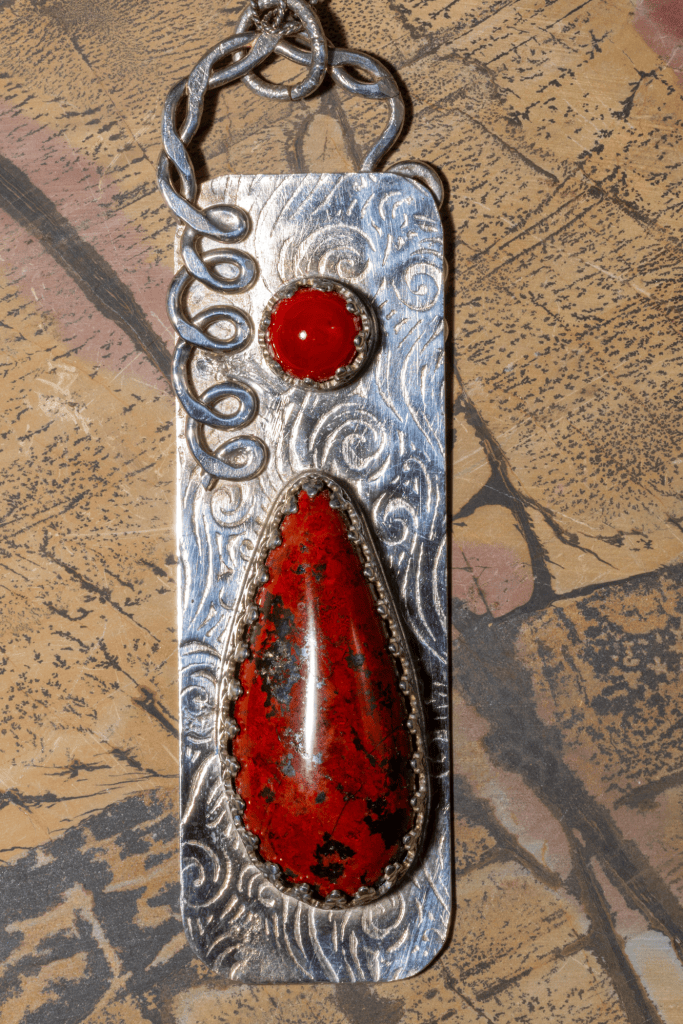
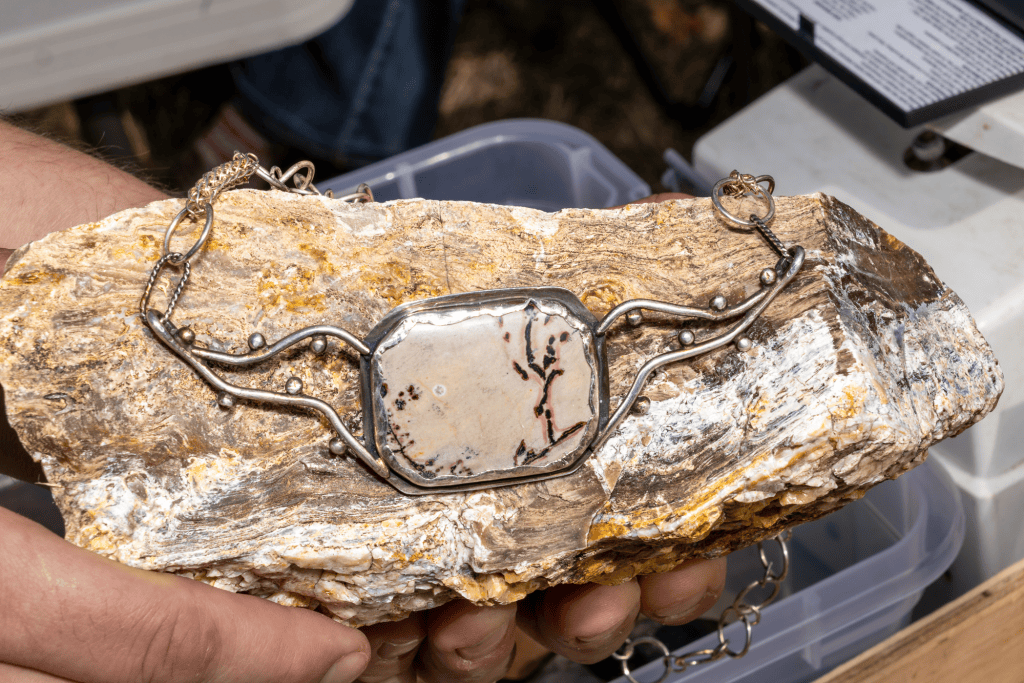
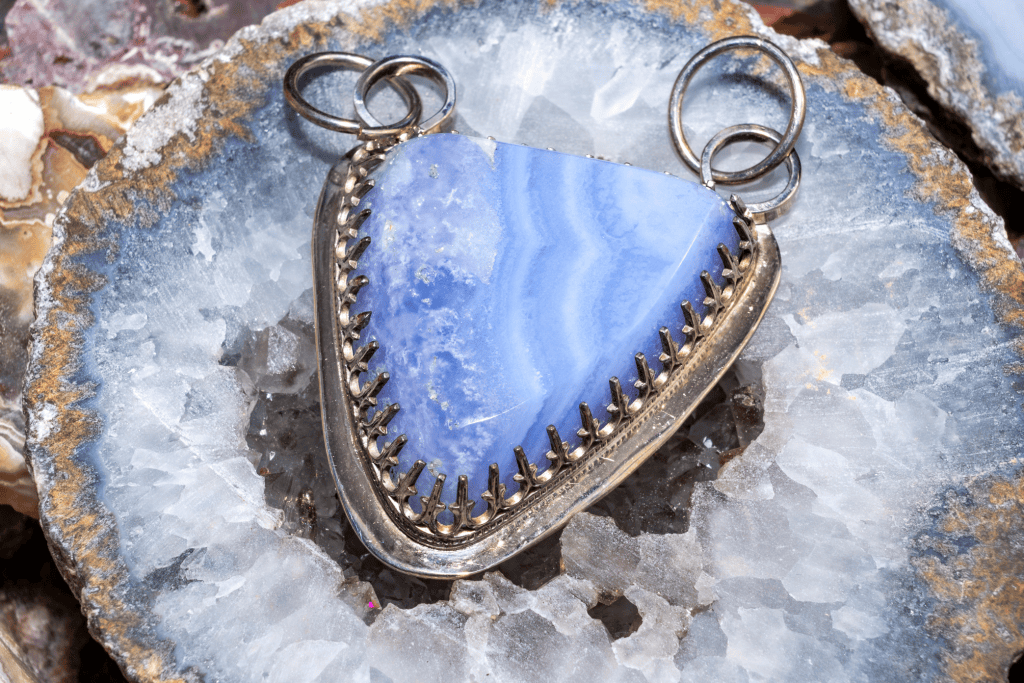
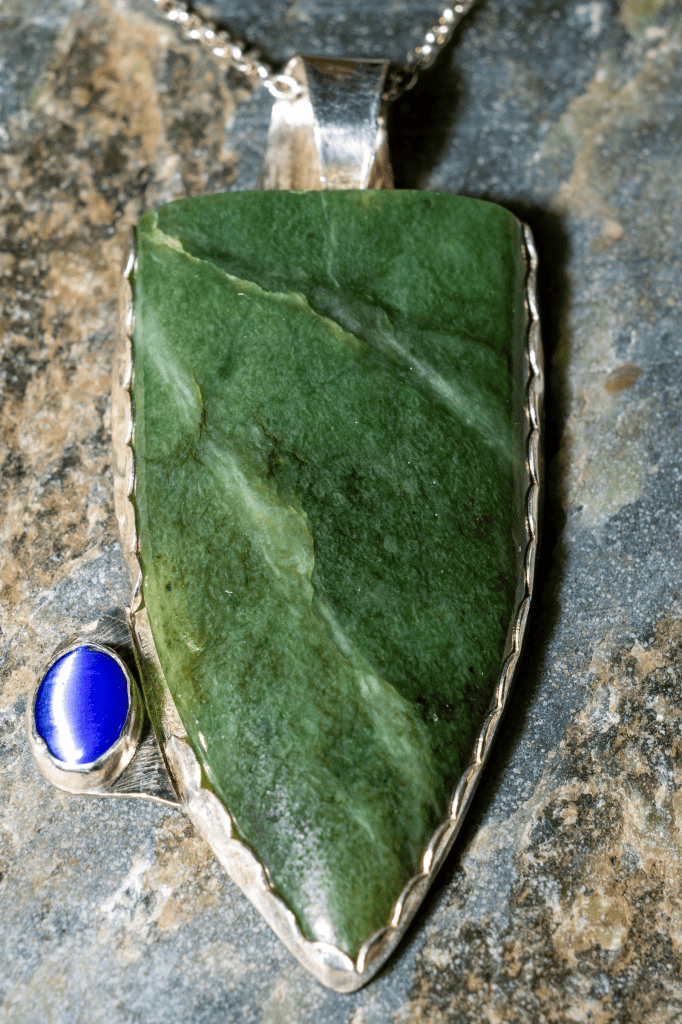
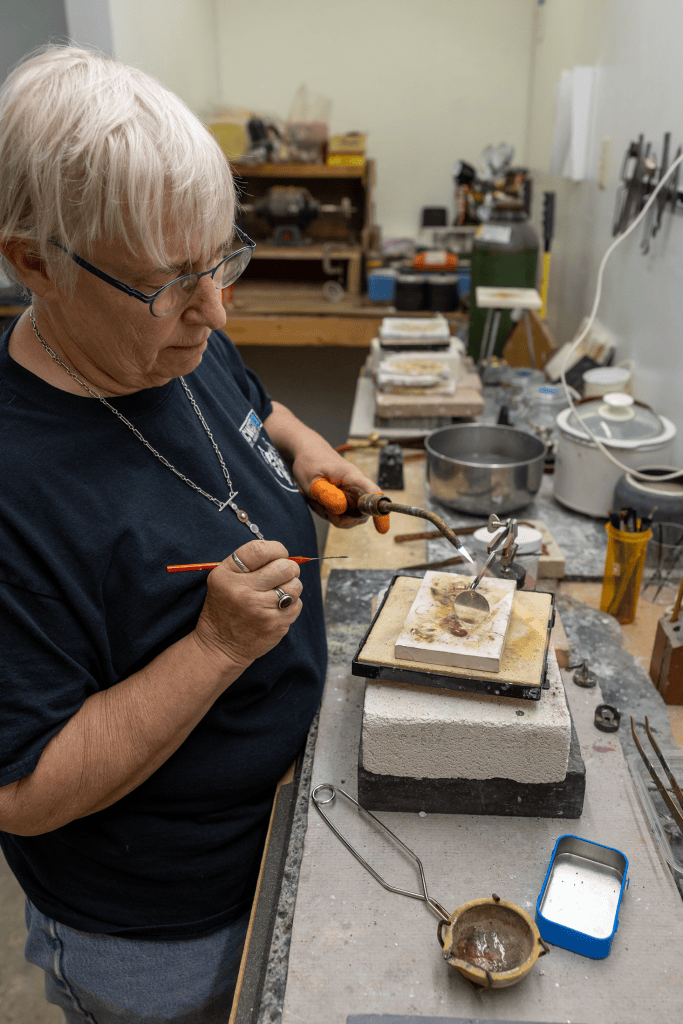
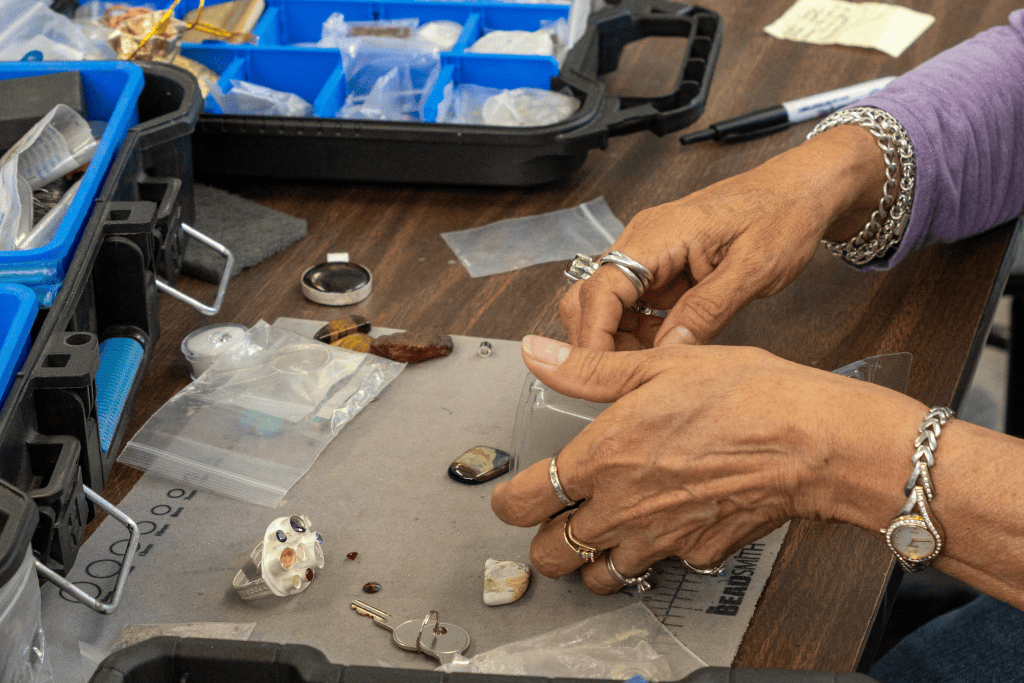
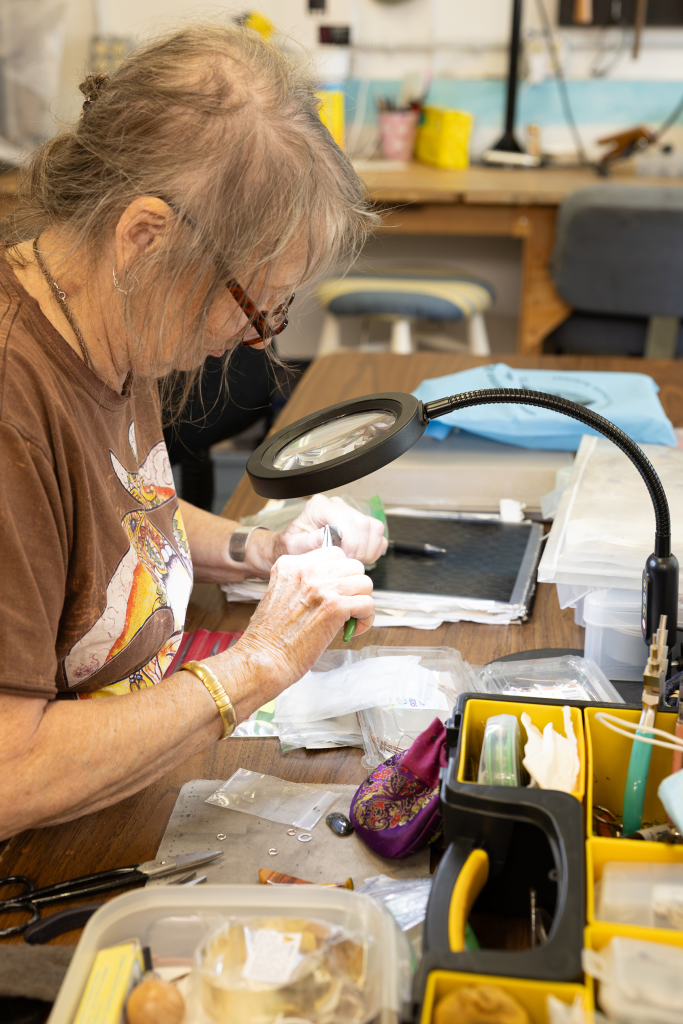
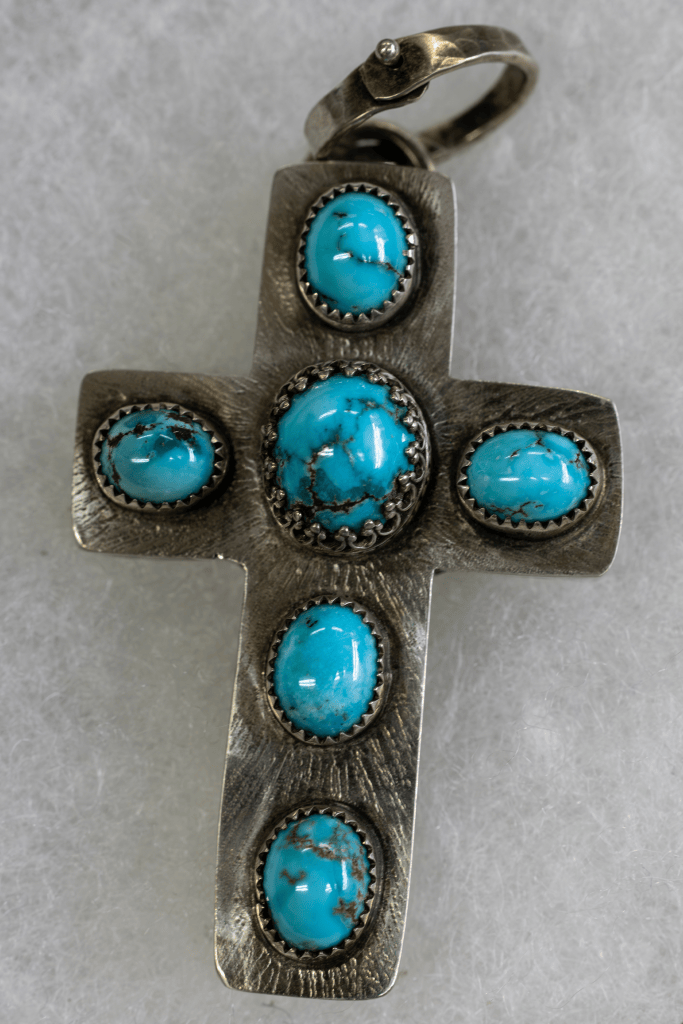
The equipment was the obvious answer. About 10 saws, five grinding machines, and the specialized tools members use to cut, shape and polish stone. Down the hall, a silversmithing room where finished cabochons become pendants and rings.
But the machines only explain the mechanics. They do not explain how anyone comes to know what to do with them. Nobody walks in able to read a rough stone, choose a cut or hold a torch steady. Those skills have to be learned, and association members volunteer their time to teach them.
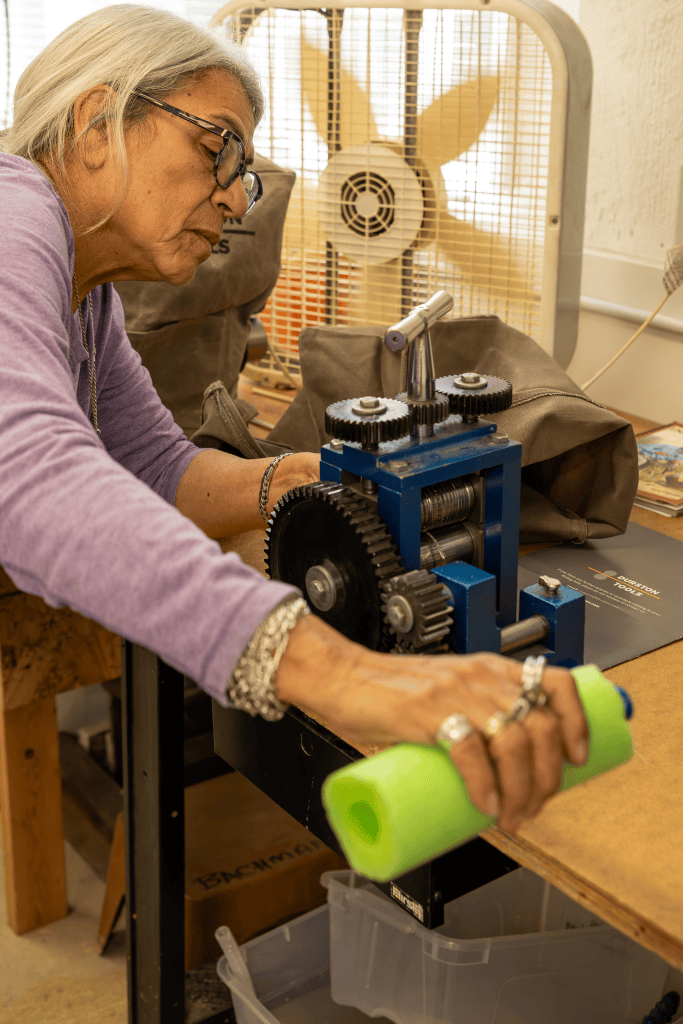
Learning in the workshop
Chuck Hagood is a retired firefighter with a mechanical background. He joined after his wife did. She arrived having never soldered or worked metal and learned it through the club. He drifted toward the machinery instead, took over much of its upkeep, and later taught beginning lapidary himself.
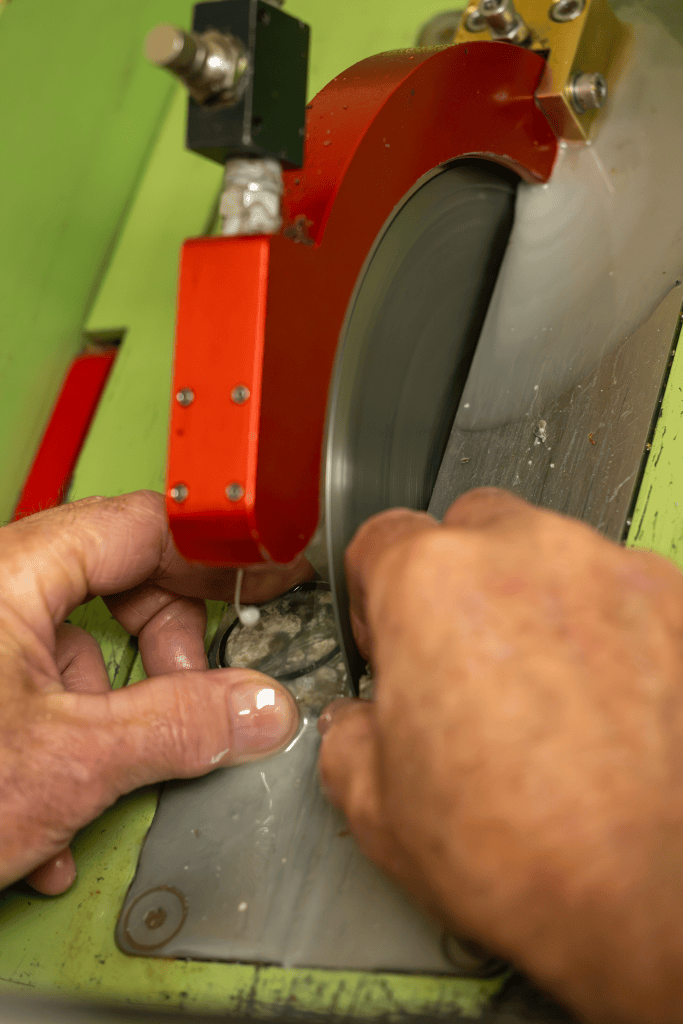
That upkeep is substantial. Some equipment was donated. Volunteers have also rebuilt machines, adapted newer components, constructed water systems and fabricated replacements for parts that are no longer manufactured. Hagood showed me a saw whose mounting assembly had to be welded, relocated and realigned before a replacement part would fit. He said the volunteers save and reuse whatever they can, down to hardware.
“It’s amazing what we get done with nothing,” he said.
None of it is cosmetic. The machines have to be reliable enough to cut stone and safe enough for someone using them for the first time.
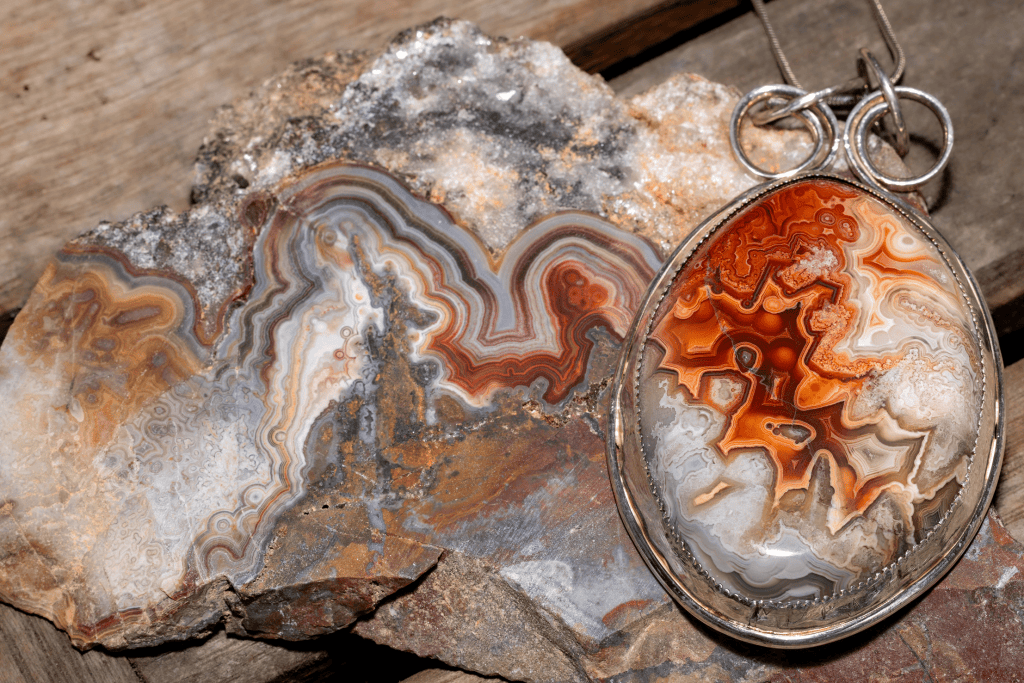
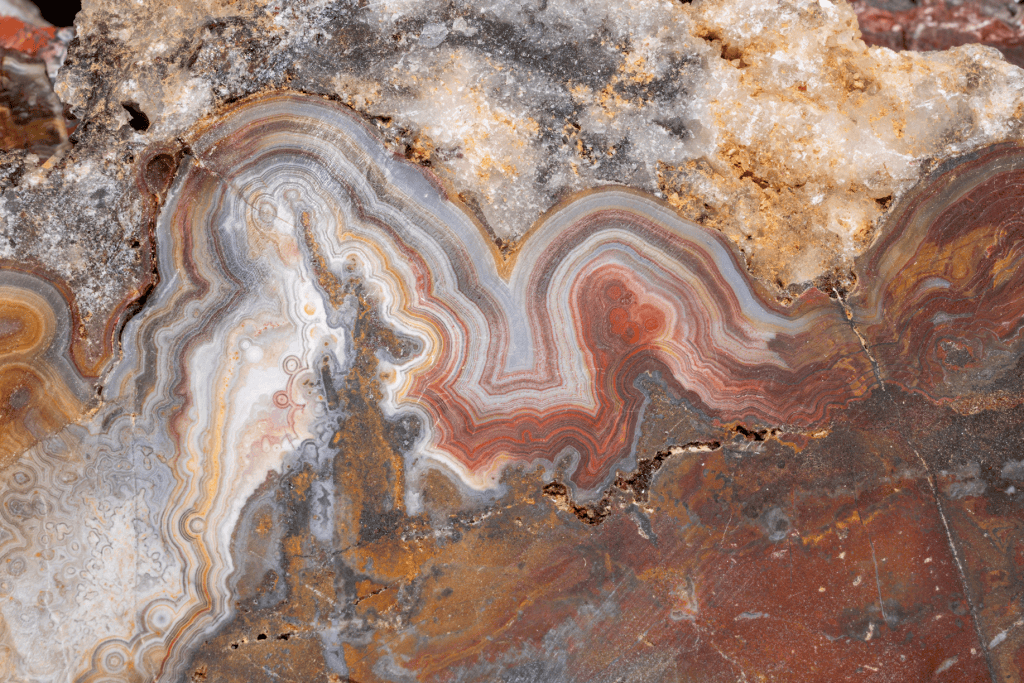
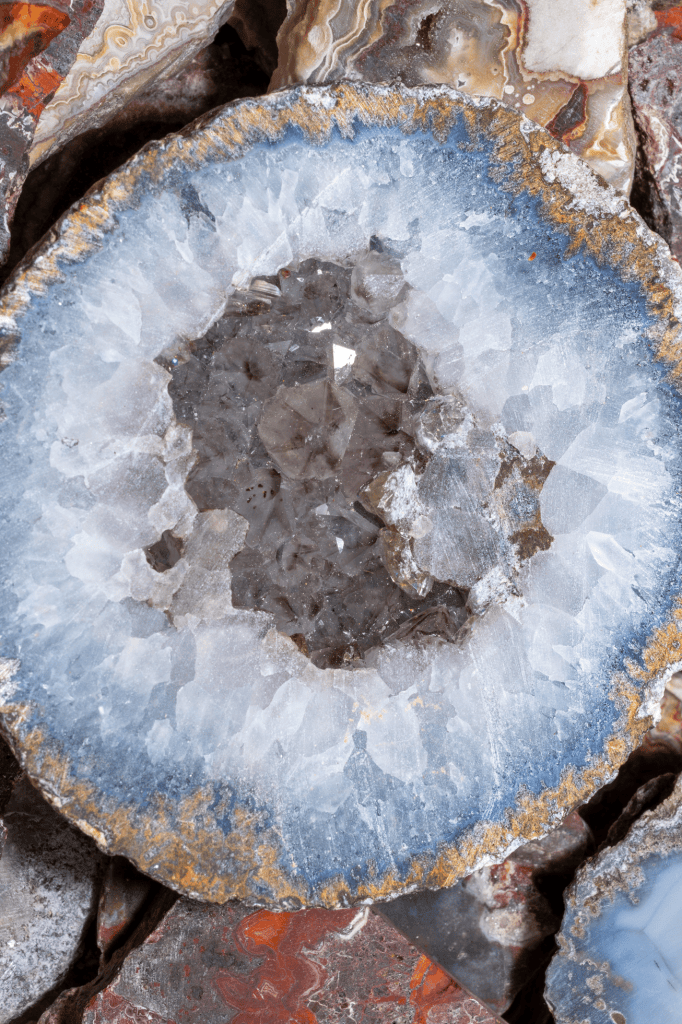
Operating the machines is only part of the work. Members must also learn how the material in front of them is likely to respond. Hardness, fractures, color and contrast all bear on whether a stone can be worked and how it should be approached, and none of that is obvious to a beginner.
“Lapidary skills just aren’t an overnight, quick result,” Hagood said. “It really does take a lot of love and a lot of work.”
What the association provides is a place to put in that work with someone nearby who has already done it.
Taking the lesson to the beach
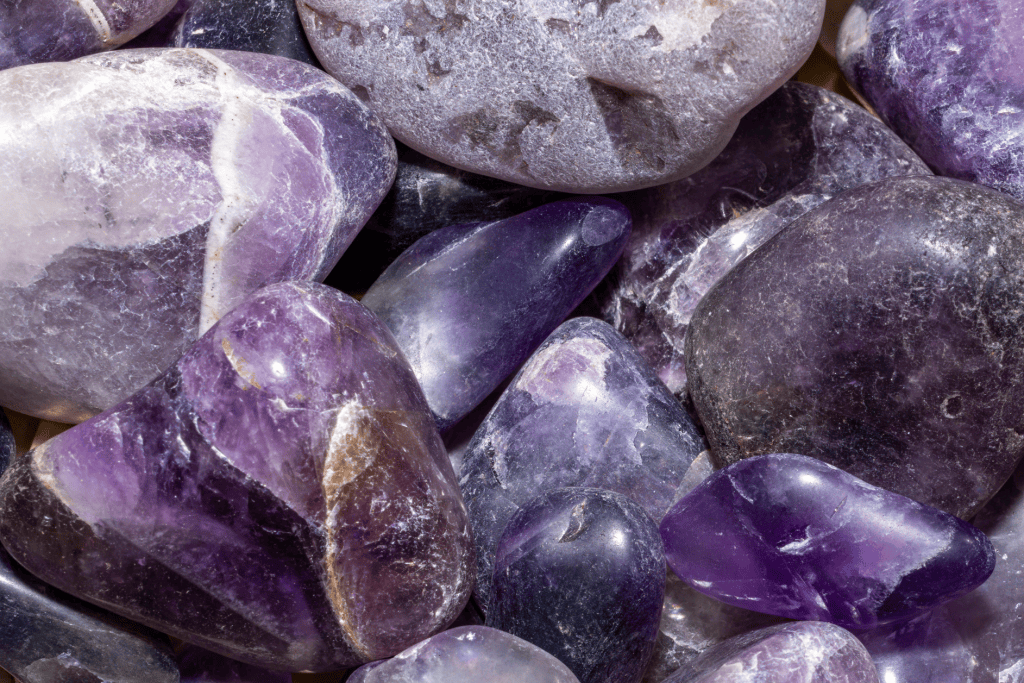
A week later, on Aug. 27, I met Brandon Stimple at Port Williams Beach near Sequim. Other visitors were also searching for stones nearby.
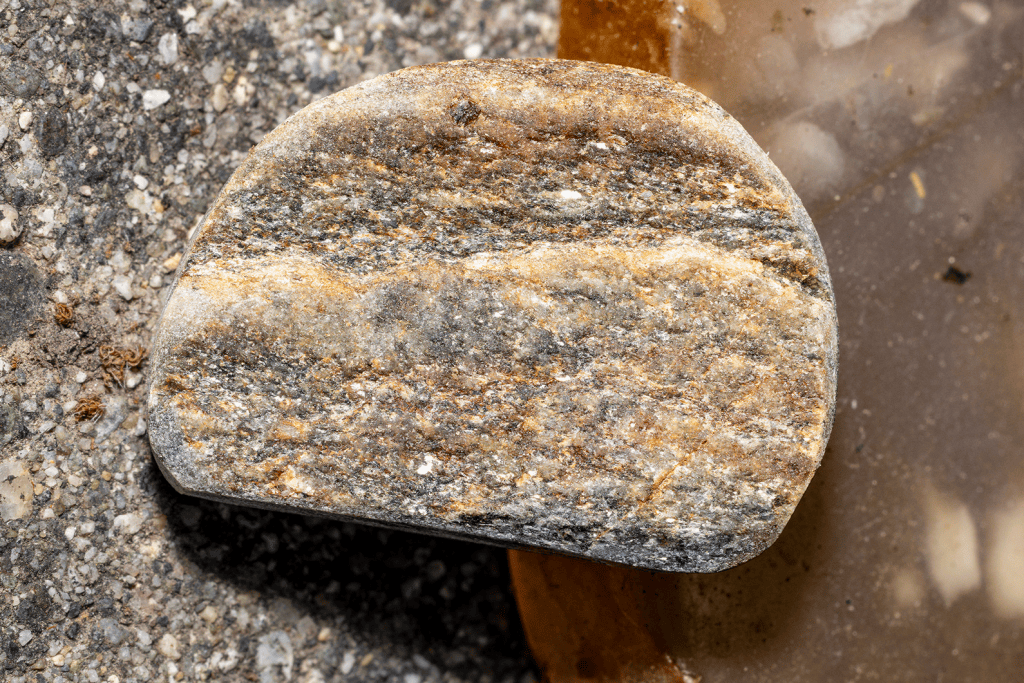
Stimple picked up a common gray stone, weathered, with areas of contrast across the outside.
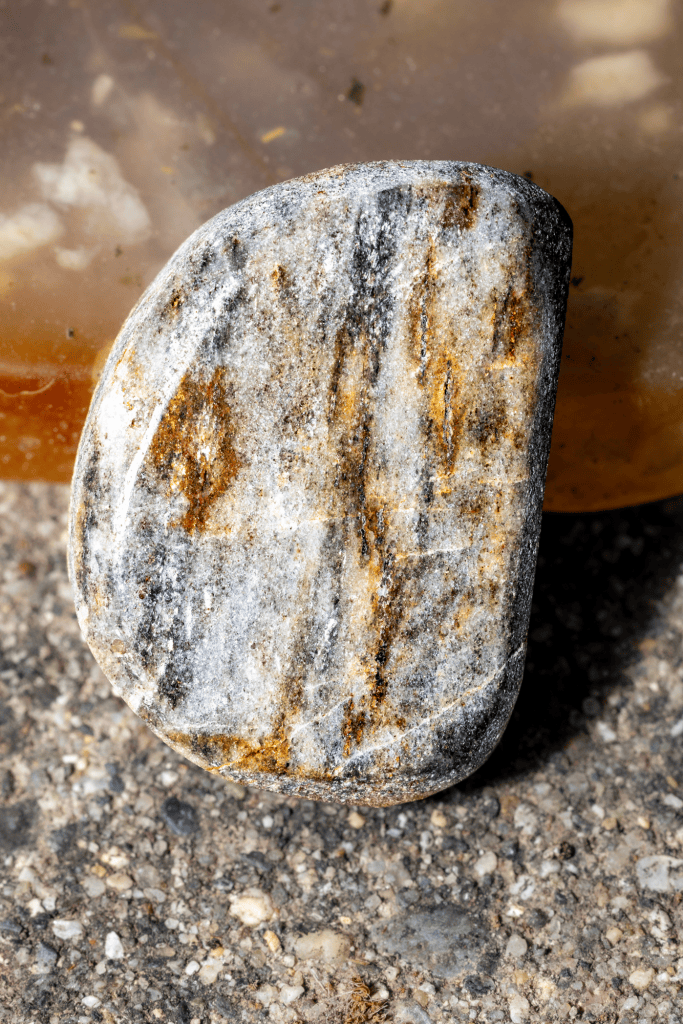
He drew a utility knife across it and left a visible scratch. Stimple read that as evidence the stone sat below quartz, which ranks seven on the Mohs hardness scale. He considered it workable, although he would need to treat it differently from harder material.
Then he explained how he would open it, and that was the part I had not expected.
He does not put a stone in a saw and make one decisive cut. He takes a small piece off one edge, then another off a different edge, and reads what those pieces reveal about the direction the material runs inside. A cut that follows the lines can wipe out the pattern. Coming across them at an angle can bring out more of it. The small cuts are how he reads the material before committing to the larger ones.
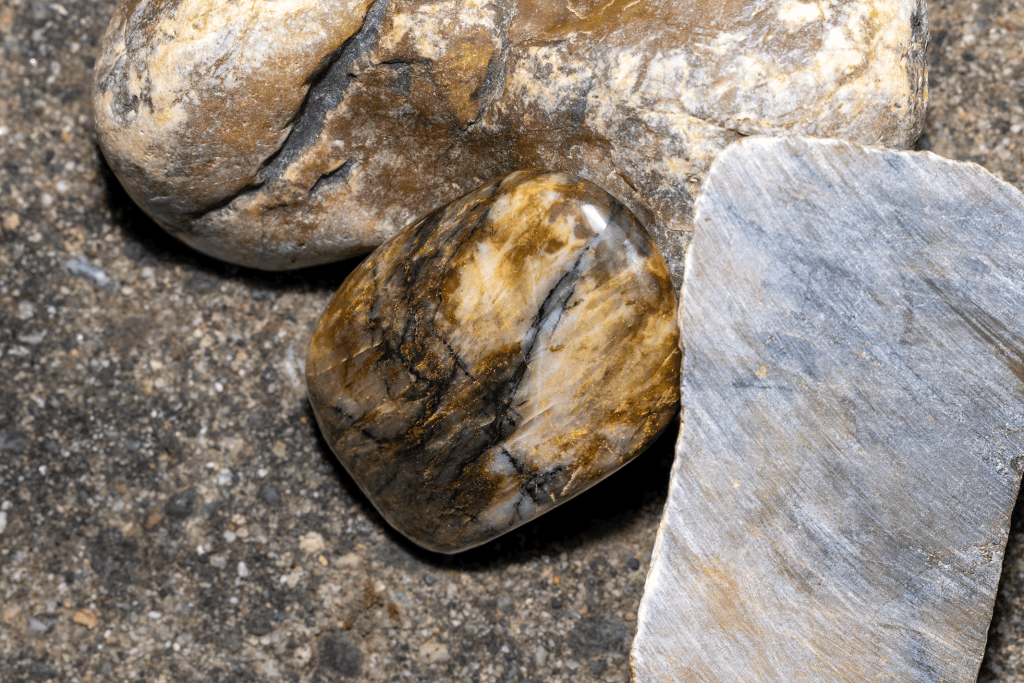
At the workshop I had seen where members learn to use the equipment. On the beach I was seeing how that instruction informed Stimple’s decisions.
Stimple did not start out with any of it. He and his wife went out to a beach at night with a high-powered light and came back with quartz, because at that stage quartz was what they knew to look for. He joined the association, learned to work stone, and is now the workshop’s head steward. He teaches the lapidary class.
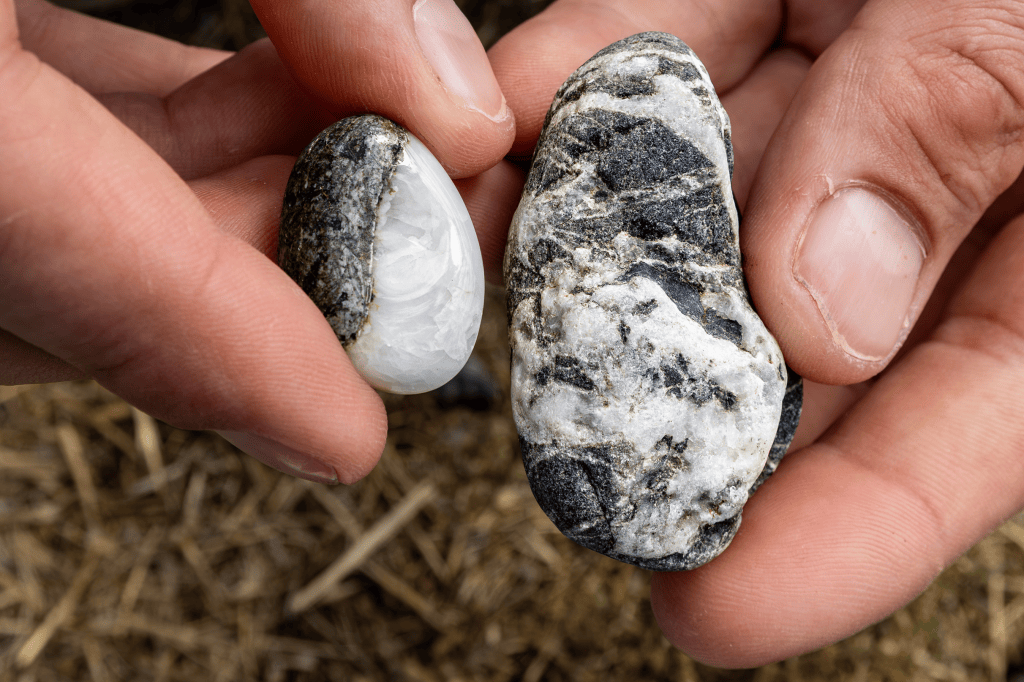
Photographing the process
Across the assignment, I photographed several stages of the work, from examining rough material and testing hardness to cutting, grinding and polishing stone in the workshop.
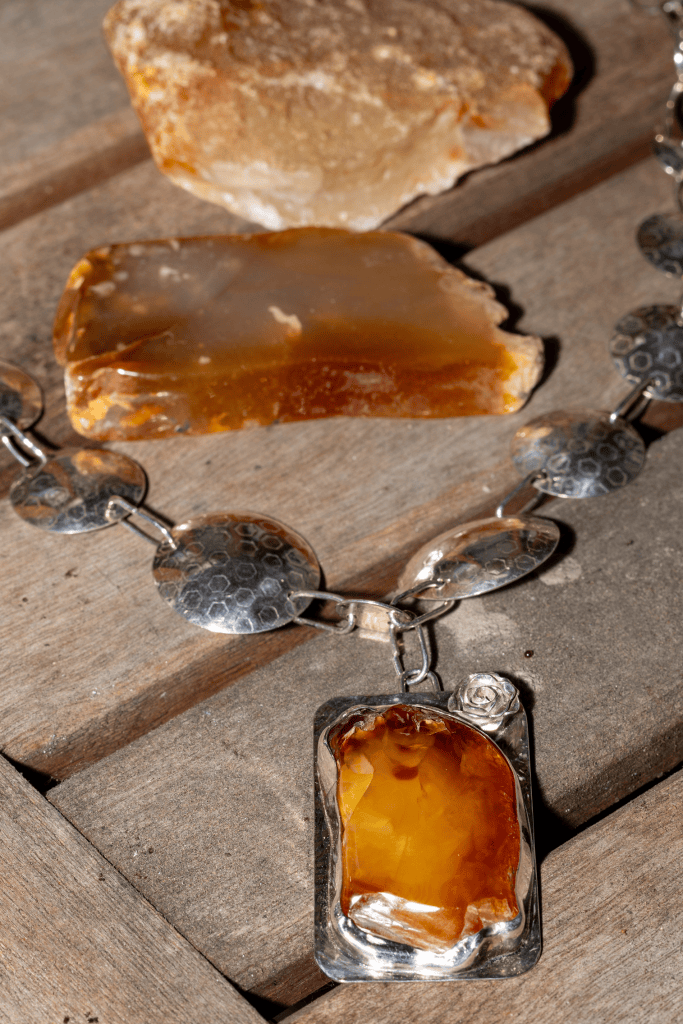
Those photographs documented the work between the stone as it was found and the form it eventually took.
Two days after the beach visit, on Aug. 29, I photographed the result.
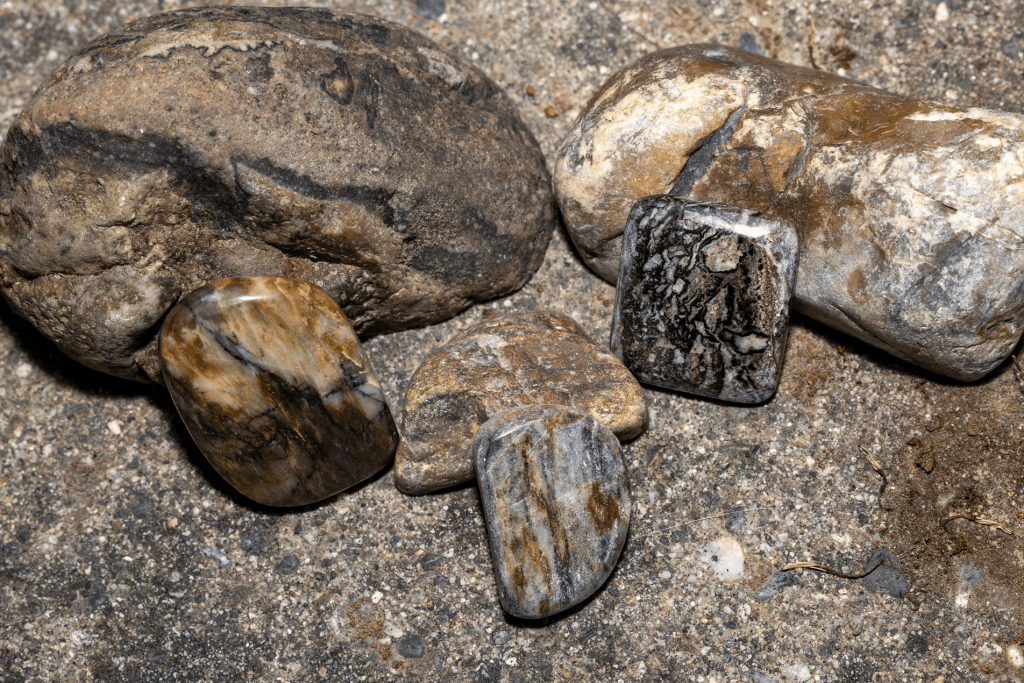
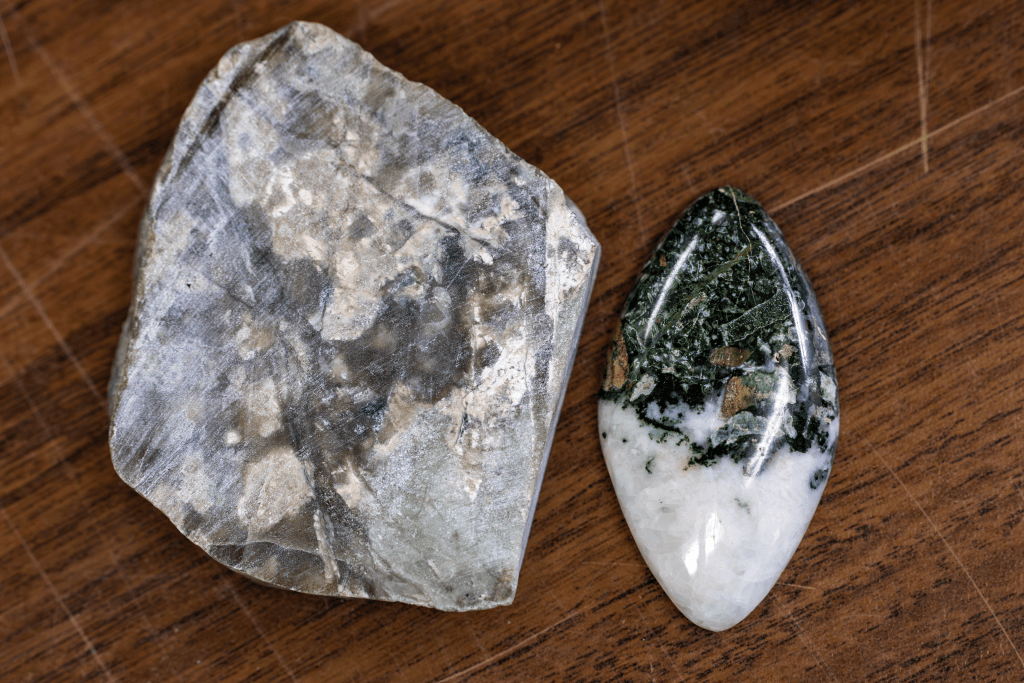
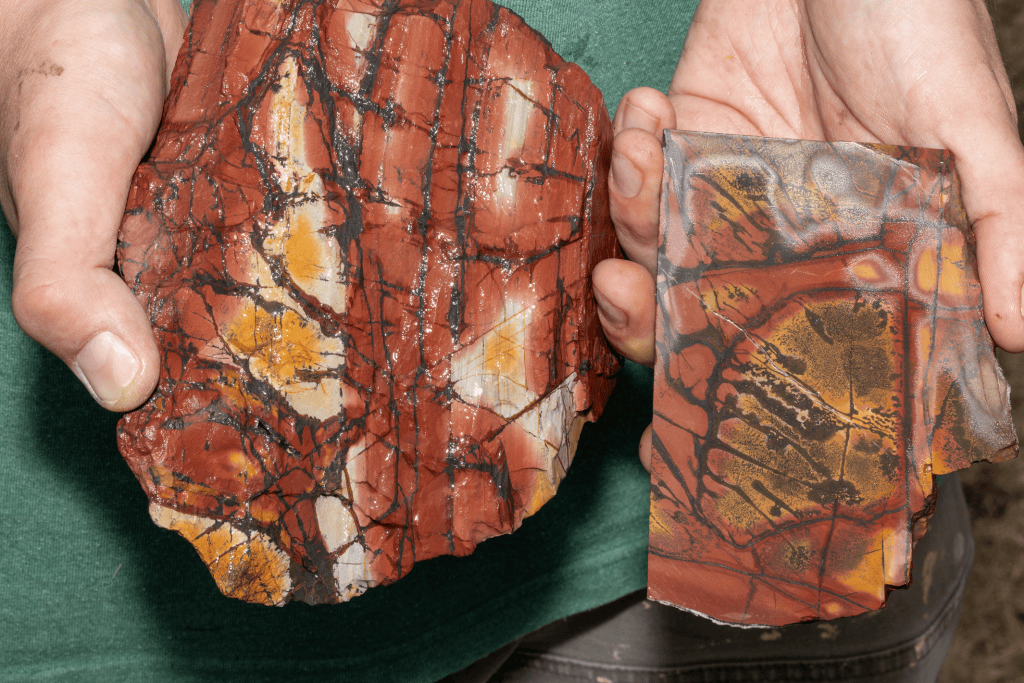
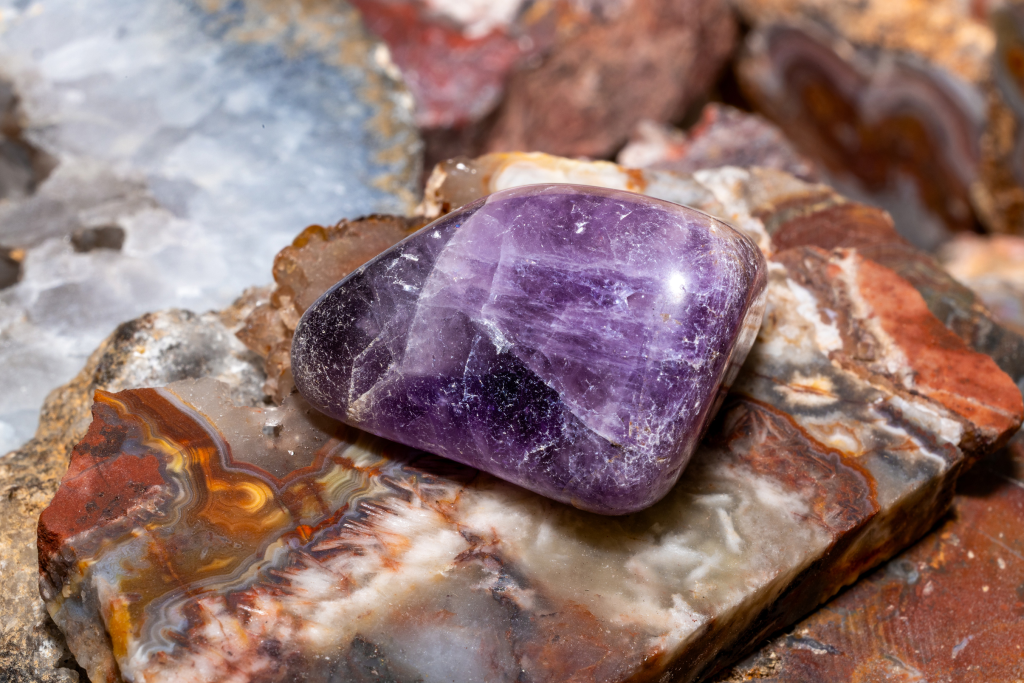
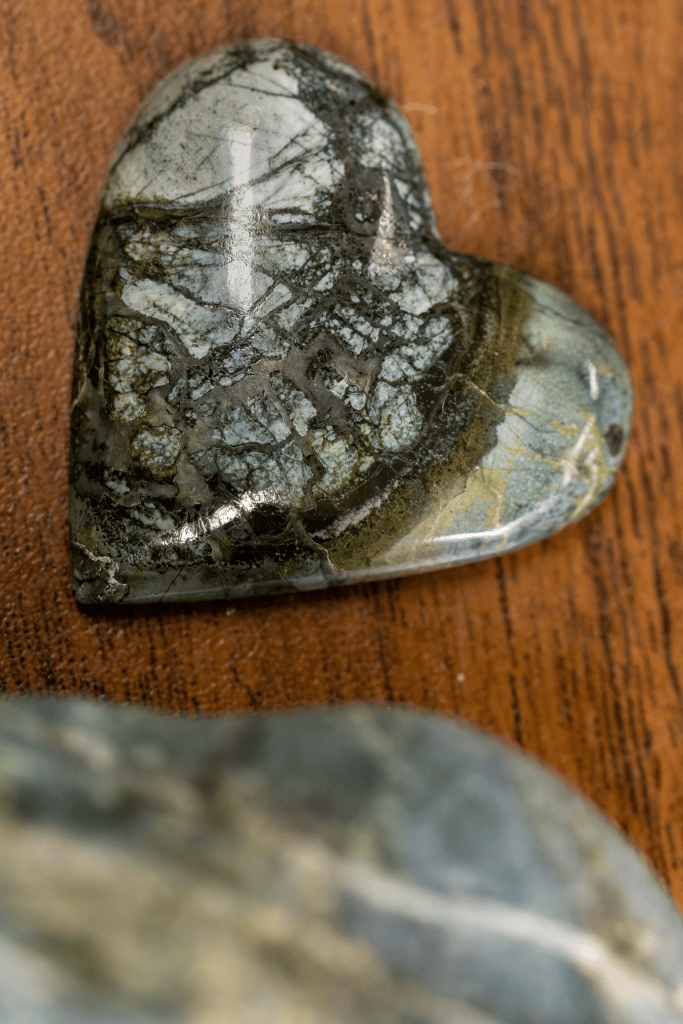
Stimple placed the finished square cabochon beside the unfinished half of the same stone. One photograph showed the source material and finished result together, while the broader series showed the process that connected them.
The equipment made the transformation possible. Knowing how to approach the material came from experience and instruction.
Passing it forward
The association has been on the Olympic Peninsula for roughly 65 years. At the time of my reporting, it had about 100 members, with about 40 participating regularly. Among them are retirees, working professionals, experienced artists and children encountering geology for the first time. Some members keep paying dues without using the shop at all, because the dues help cover the rent.
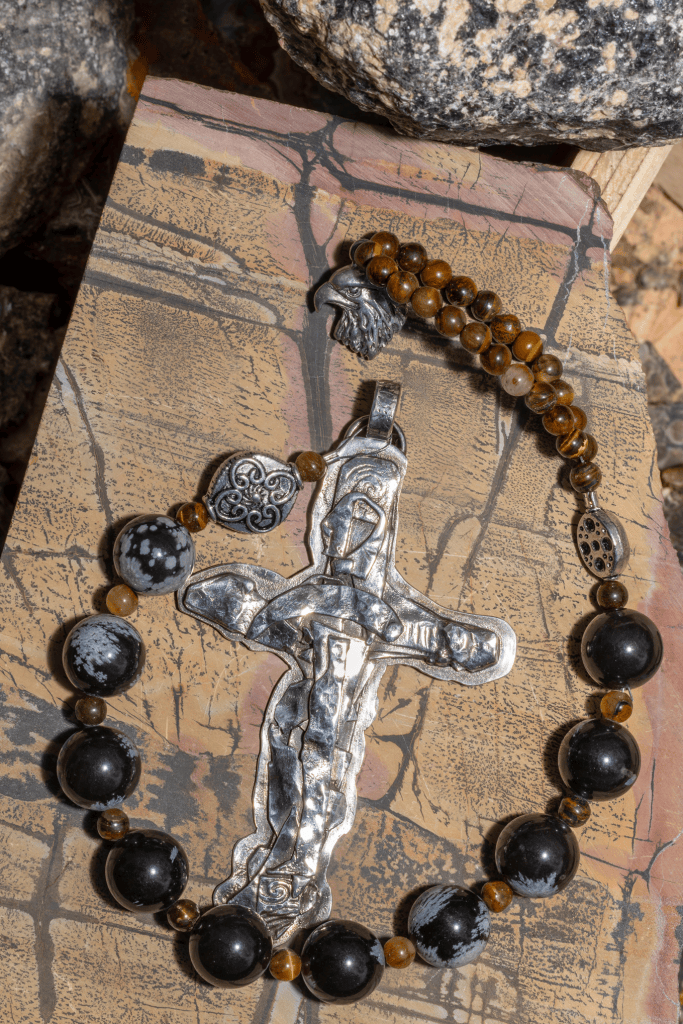
In the silversmithing program, that transfer of knowledge is being planned deliberately.
Debbie Patapoff teaches silversmithing, and she has been preparing Alexis Nelson to teach other students. Her reason is practical. Patapoff was unavailable for a stretch of months once and there was no one positioned to keep the class going while she was gone.
The association’s junior steward is 15. Stimple trained him. He works in both lapidary and silversmithing and is qualified to supervise the machinery.
Insurance rules keep children under 14 off the main equipment, so the club brings them in through rock tumbling, its Pebble Pups youth program and other activities suited to their age until they are old enough for the larger machines.
That progression matters to an organization facing turnover as longtime members step back from leadership. A curriculum can list the stages of cutting a stone. It cannot supply the person willing to stand at the next machine while someone else learns.
Hagood sees the involvement of different generations as important to the club’s future.
“It’s a good mix, and it’s a good thing,” he said. “It very much is the future of our club.”
Keeping the room open
Teaching needs instructors. It also needs a room, working equipment, and enough income to keep both.
The association holds two rock shows a year at the Vern Burton Community Center. Hagood said revenue from those weekends helps pay the workshop’s rent and operating expenses. Class fees go into the same general fund and help cover utilities, equipment and consumable supplies. Major purchases can take proceeds from more than one show.
How much that income matters became clear during the pandemic. With the shop closed and the shows suspended, two important sources of income disappeared. Hagood said members contributed thousands of dollars to keep the rent paid. Stimple said a government grant also helped the association survive.
“The whole place runs on the good-natured participation of its members,” Hagood said.
That is the clearest description I heard of the association. Its volunteers are not only maintaining machines. They are preserving a place where members can learn the craft, practice it and eventually help teach someone else.
The published feature
My original feature from this reporting was published by the Sequim Gazette on Sept. 9, 2026: “For some Olympic Peninsula beachcombers, finding hidden treasures is a shore thing.”
To attend the event

Rock, Gem & Mineral Show
Clallam County Gem and Mineral Association
Vern Burton Community Center
308 E. Fourth St.
Port Angeles, Washington
Saturday, Sept. 19: 9 a.m. to 5 p.m.
Sunday, Sept. 20: 10 a.m. to 4 p.m.
Admission: Free
The event will include a premium vendor raffle with prizes donated by participating vendors.
Membership information, class schedules and workshop hours are available at sequimrocks.org.
All photographs © Tom Buscher / Cedar & Shore Studio.
Captivating Photography
Keep local coverage going
No paywall here and no ads. This site runs on the store. If this post was worth your time, spend a minute in the shop.
Cedar & Shore Studio is my business. It funds this site.




Captivating Photography
Keep local coverage going
No paywall here and no ads. This site runs on the store. If this post was worth your time, spend a minute in the shop.
Cedar & Shore Studio is my business. It funds this site.