
The essay that became The Hours We Give
At the paper mill, people called me Superman.
I took it as a compliment.
I liked being the person people could count on. When equipment jammed, something broke down or the schedule came apart, I wanted to be useful. I knew the machines, I knew the work, and there was a particular satisfaction in walking into a bad situation and helping get things moving again.
So when someone called me Superman, I heard strength.
I heard dependable.
I heard capable.
What I understand now is that there were a lot of capes hanging in that mill.
Twelve-hour shifts were part of the job, and often staying another four hours became normal. People worked nights, weekends and holidays. Plans changed when somebody called out. Dinners waited. Families adjusted. Someone stayed because somebody else needed to get home. Someone took the extra hours because the money mattered. Someone kept going because the crew beside him was still going too.
We were tired together, frustrated together and proud together.
And somehow, in the middle of all of it, we built a life inside that place.
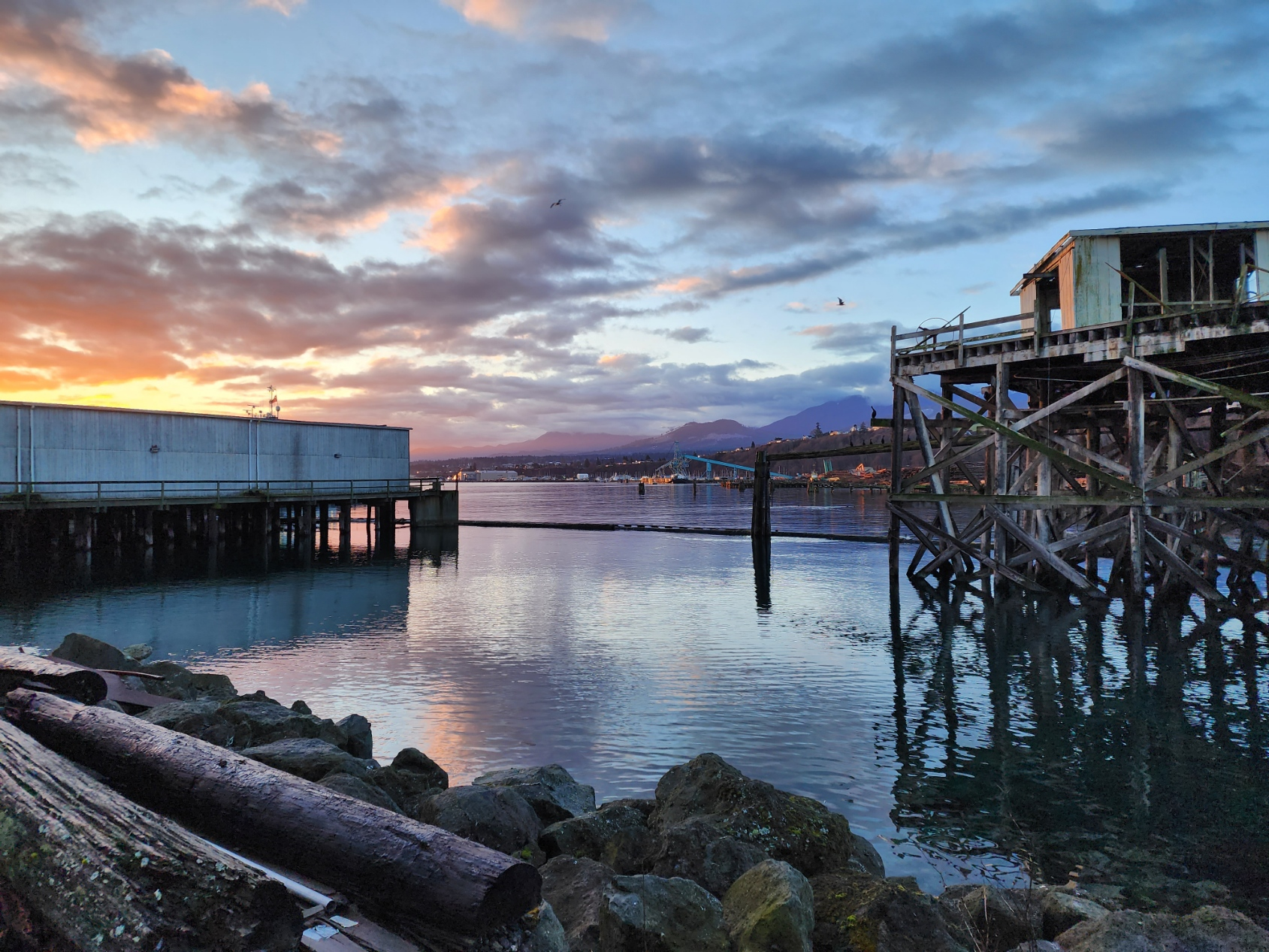
There was dark humor at three in the morning. There were friendships forged during breakdowns when nothing seemed to be going right. There was the relief of finally getting a machine running after hours of fighting with it. There were sunrises over the water after a long night when, for a few minutes, an industrial paper mill could be one of the most beautiful places in the world.
Those years taught me what hard work looks like.
They taught me how much people can accomplish when they trust one another.
They taught me that I could carry far more than I ever imagined.
What they did not teach me was how to decide what was worth carrying.
On August 24, 2024, McKinley Paper Mill shut down.
I did not choose to leave that life. It ended, and suddenly the question was no longer whether I could handle another shift or another problem.
The question was what I would do next.
I went back to college.
The same intensity came with me. The part of me that wanted to learn everything, solve everything and push farther than anyone expected had not disappeared. For the first time in a long time, though, I was choosing where to point it.
Then an English Composition assignment asked me to examine an important part of my identity.
I thought about Superman again.
Not the comic-book hero.
The nickname.
The guy who always answered the call.
The person everyone trusted to carry a little more.
And for the first time, I began wondering whether strength was really measured by how much a person could carry.
Maybe strength also meant knowing what deserved to be carried at all.
That question became The Weight of the Cape.
My professor awarded the essay 14 points out of 12 and later asked permission to use it as a sample for future students. I was proud of that, but the grade was not the important part.

Writing it gave me something I had not expected from an English assignment.
Perspective.
The mill had shown me what I was capable of.
Losing it forced me to adapt.
College gave me somewhere new to direct that drive.
And writing this essay finally helped me understand what all of it meant.
I am publishing The Weight of the Cape below exactly as I submitted it because the realization belongs to the person who was discovering it while he wrote.
This is where the idea that eventually became The Hours We Give began.
From the Cape to the Hours We Give
When I finished The Weight of the Cape, the assignment was over, but the idea was not.
One thought kept following me: we can spend years working hard to build a better life while giving away pieces of the life we already have.
That question became The Hours We Give.
The song carries the story beyond the mill and beyond my own experience. It is for the people working twelve-hour shifts, answering one more email, taking another trip, covering another position, or telling someone they love that they just need a little more time.
And it asks a question only each of us can answer:
What are the hours we give actually building?
Watch the video, hear the full song, see the photographs behind it, and share your own story.